
Common Painting Mistakes and How to Avoid Them


Introduction
Painting a room can be a rewarding DIY project, but it's easy to make mistakes that can lead to frustration and unsatisfactory results. Whether you're a novice or have some experience, knowing the common pitfalls can save you time and effort. In this post, we'll explore some typical painting mistakes and how to avoid them.
Skipping the Prep Work
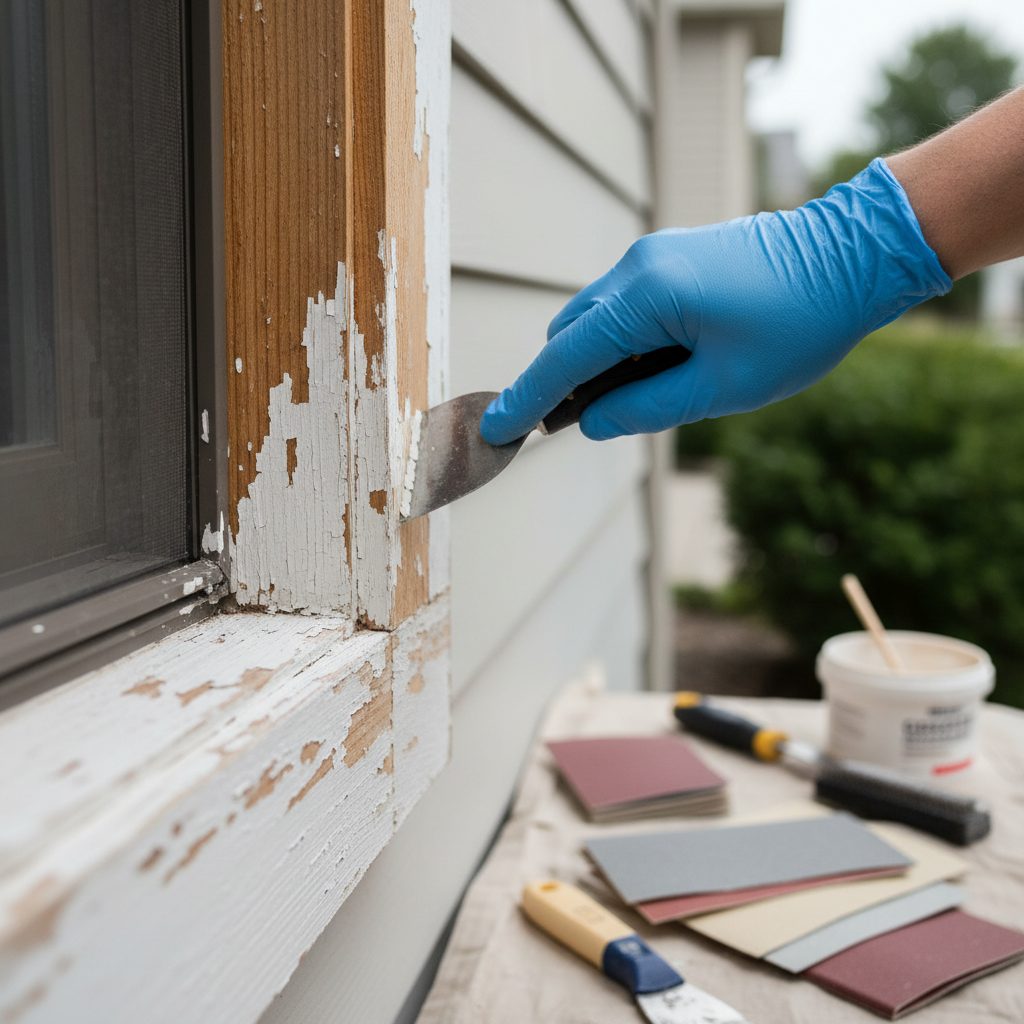
One of the most common mistakes is neglecting the preparation stage. Proper prep work is crucial for achieving a smooth, professional finish. Skipping this step can lead to uneven surfaces and paint peeling.
To avoid this mistake, ensure you:
- Clean the walls thoroughly to remove dust and grease.
- Patch holes and sand the surfaces for smoothness.
- Use painter's tape to protect trim and edges.
Using the Wrong Tools
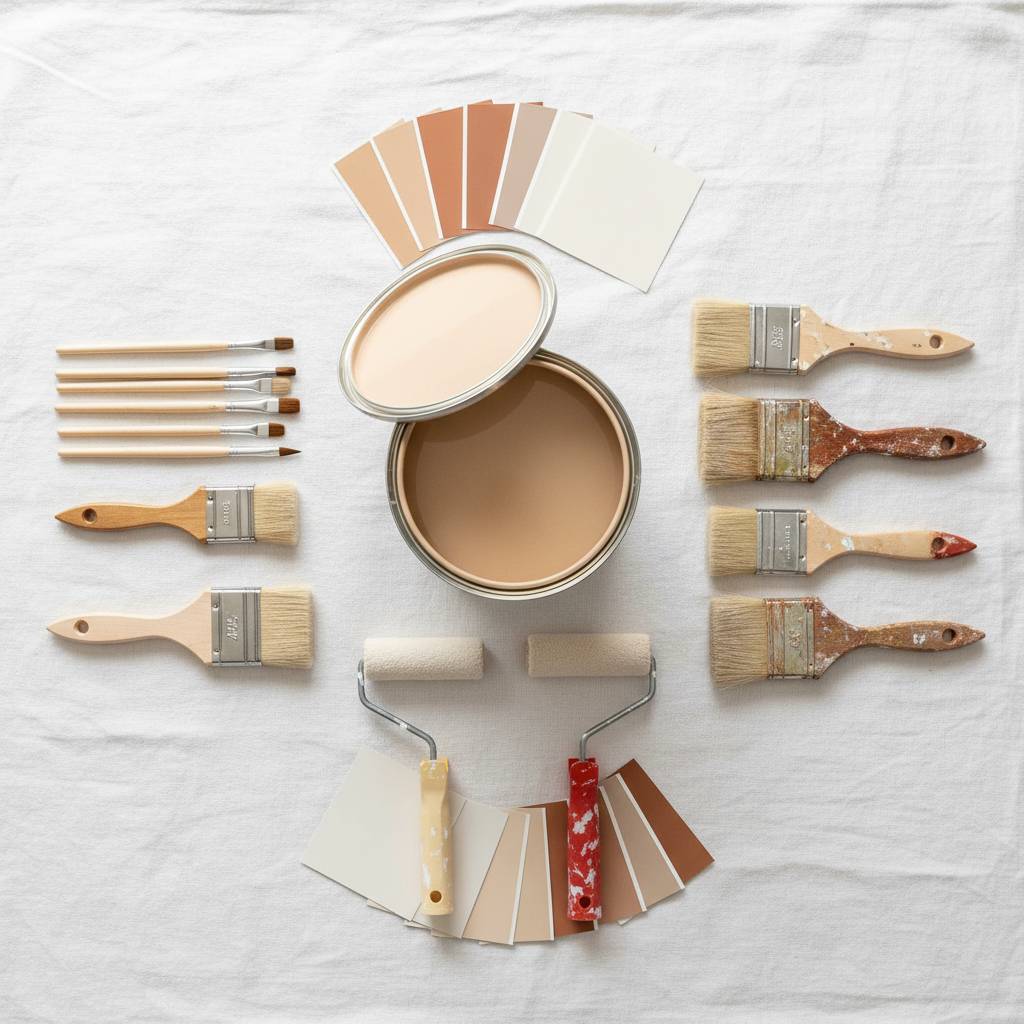
Using incorrect or low-quality tools can make a significant difference in the final outcome. Brushes and rollers are not one-size-fits-all, and choosing the right ones is essential.
Here are some tips to choose the right tools:
- Select brushes with the appropriate bristle type for your paint.
- Choose roller covers with the correct nap length for your surface.
- Invest in a good-quality painter's tape to avoid bleed-through.
Ignoring Primer
Another frequent mistake is skipping the primer. Primer plays a crucial role in ensuring the paint adheres properly and provides a uniform color. Without it, you may need extra coats of paint, which can be costly and time-consuming.
Always use primer if:
- You're painting over a dark or bold color.
- The surface is new or porous.
- You're painting a high-moisture area.

Choosing the Wrong Paint
Selecting the wrong type of paint can lead to disappointing results. It's essential to consider the surface and the room's function when choosing paint.
Here are some guidelines:
- Opt for washable paint in high-traffic areas like kitchens and bathrooms.
- Use flat or matte finishes for ceilings to hide imperfections.
- Choose durable paints for children's rooms and hallways.
Overloading the Brush or Roller
Applying too much paint at once is a common error that can result in drips and uneven coverage. It's important to load your brush or roller correctly to achieve a smooth application.
To avoid overloading:
- Dip the brush or roller lightly into the paint.
- Tap off excess paint to prevent drips.
- Apply paint in thin, even layers to build coverage gradually.
Conclusion
Avoiding these common painting mistakes can make your DIY project more successful and enjoyable. By investing time in preparation, using the right tools, and choosing the appropriate materials, you'll be well on your way to achieving a professional-looking finish. Happy painting!